
 EN
EN
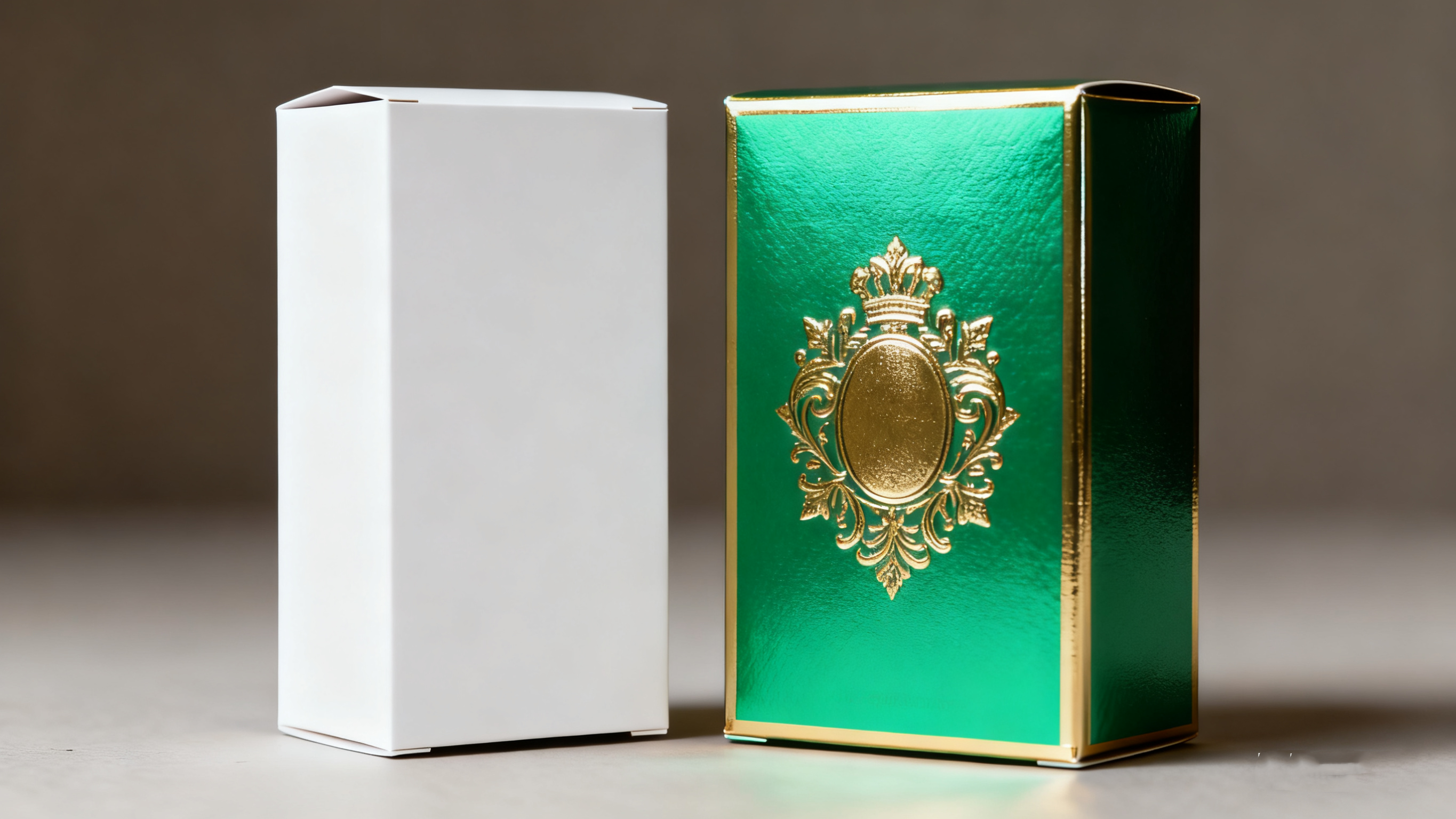
Product marketing does not have a universal fit. The difference between selling the same product to the target market in various ways is overwhelming, and the packaging is necessary in such a strategy. Considering that the packaging is facilitated to meet the needs and demands of different categories of customers, the brands will be in a position to maximize their position, augmented perceived value, and greater profitability. We shall explain why this is so and why it is so effective a strategy.
Less expensive Market: Usability and Availability
When the factor of affordability is taken into consideration in the market, it is focused on keeping the costs low whilst rendering the product usable and accessible. The markets of these markets tend to prefer simple packaging that is practical and affordable, and this appeals to customers with a low income or middle income earners.
· Key Characteristics:
· Minimal design with minimal materials like plastic or cardboard.
· Be practical rather than being aesthetic.
· Decreased cost to access larger markets.
· Example:
One of these perfumes may be the one that has a small branding, in a small bottle of plastic, in a supermarket or discount store, at a price of $30. This is to make sure that the product is affordable and made available to maximum numbers of individuals.
Luxury Market: Luxury and Prestige
In the more prosperous markets, the product is repackaged as a premium product in luxurious packaging. The high-income customers consider the exclusivity and aesthetics, emotional value of possessing something really special in the life, and the packaging becomes a significant part of the process that would transmit the emotions.
· Key Characteristics:
· High quality materials like luxury that is environmentally friendly.
· Complex design, luxurious brand, and details.
· Increased cost to suggest superiority and privilege.
Why This Strategy Works?
Diversity of Needs, Diversity of Priorities
· Less-Expensive Market: The customers are price and functionality conscious. They also want the product but are not quite obsessed by package or branding status.
· Luxury Market: It is the prerogative of the customer that falls into the category of exclusivity, aesthetics, emotional sense of having something that is superior. Packaging is a requirement in their purchasing decision.
Perceived Value and the willingness to pay
The psychological influence is made by the packaging and branding. The luxurious design implies that it is of higher quality and exclusive, which implies that more money can be paid by the customers who are wealthier. In the meantime, plain packaging keeps the costs at a low level that makes the product affordable to the customers with low budget.
Market Segmentation contributes to the maximum Revenue
The tendency to occupy both sides of the market will help the brands to achieve their full potential. They cater to the mass and the luxury market without changing the product. This two pronged strategy would make sure that a large number of consumers would be interested in the product.
Real-Life Examples
Perfume Industry
A luxury perfume brand can market the same perfume to a client twice:
· Simple plain paper box with a very basic version priced at $30 that will cater the younger or more economical customers.
· Exclusive gift box of high end luxury at a price of 300 and this is targeting the high end customers who can afford exclusivity.
The two adaptations have a similar product but in different markets and this means that packaging could be utilized to alter the perceived value of a product.
Automobile Industry
Car manufacturers often repeat the same foundation model but make: Luxury material specially printed.
Important Implication: Packaging as a Strategic Ally
There is no packaging to ensure that the product is safe, it is a marketing tool of good use. By packaging their products in segments that appeal to the low and the high income earners, the brands will be in a position to maximize their market share.
As an example, such strategy can be used by A brands to attract mass markets and luxury markets. The low-end packaging can transform pepper into a cheap and convenient product, and the high-end and eco-friendly packaging can present pepper as a luxury product in the high-value markets of the world.
Conclusion: Packaging the Product Powerful
Two completely different stories can be told of the manner in which the same product is packed. This is an opportunity to the brands to access the different customer segments, value creation and revenue generation. It is not simply a perfume, a car, even a spice, such as the Malaysian pepper, but the new packaging solutions can be the matter of the difference when it comes to capturing the right audience.
The brands that will not go out of the marketplace with the changing market will be the ones that will perceive the power of a package as not a container but as a way of growing and differentiating.