
 EN
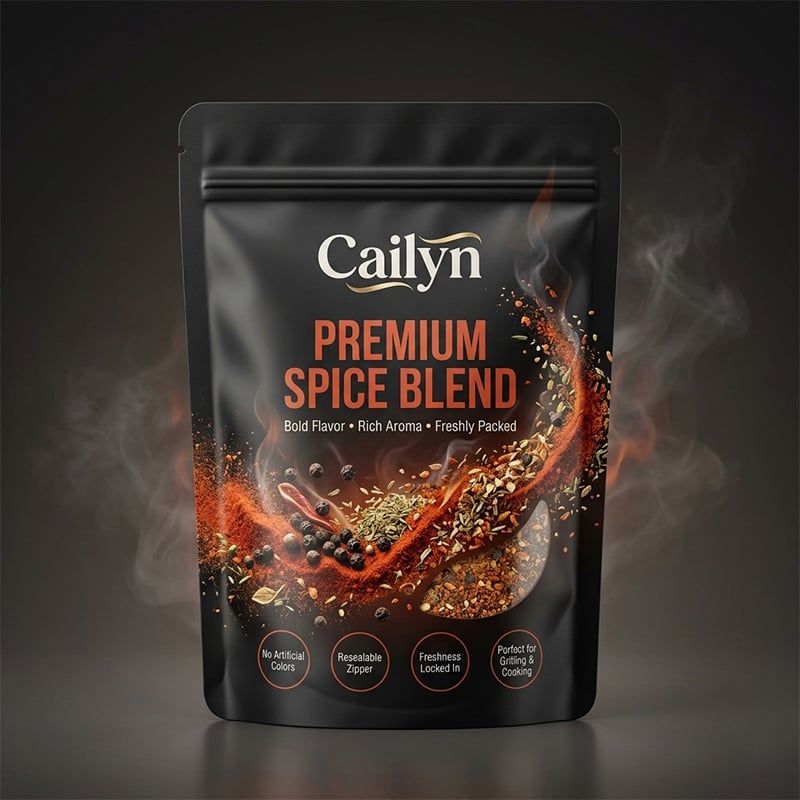
Snack Packaging Formats Explained: Flat Bottom Bags, Stand-Up Pouches and More
Choosing snack packaging is not simply a decision between a flat bottom bag and a stand-up pouch. The best format depends on what is inside the pack, how long it needs to stay fresh, where it will be sold and how it will be shipped.
Nuts, chips, dried fruit, jerky, candy and powdered snacks do not place the same demands on a package. Some need stronger oxygen and light protection; some need resistance to sharp edges or transport pressure; others need a lightweight format that works for online sales or small trial packs. The right structure should protect the product while giving the brand the right shelf presence and cost position.
This guide compares the most common snack-pouch formats and explains how to match bag structure, barrier material and printing method to your snack brand.
Start with the Snack, Not the Bag Style
A pouch format should be selected after understanding the product's risks and selling environment. Before developing packaging, confirm the snack type, oil content, moisture sensitivity, product shape, fill weight, desired shelf life, retail channel and target market.
|
Snack type |
Main packaging concern |
Packaging direction to evaluate |
|
Nuts, seeds and granola |
Oxidation, aroma retention and resealability |
High oxygen-barrier structure; stand-up pouch or flat bottom bag with zipper where appropriate |
|
Chips and puffed snacks |
Crush protection, seal strength and pack volume |
Lightweight flexible pack with suitable stiffness; assess gas-flush compatibility if required |
|
Dried fruit and jerky |
Moisture control, oxygen barrier and puncture resistance |
High-barrier pouch with suitable puncture resistance and secure seal area |
|
Candy, cookies and confectionery |
Product visibility, portion size and shelf appeal |
Stand-up pouch, three-side-seal pouch or display-ready multipack depending on the product |
|
Powdered snacks and seasonings |
Fine-powder leakage, light protection and clean opening |
High-barrier opaque structure with strong seals; consider the opening and zipper design carefully |
|
Frozen snacks |
Low-temperature flexibility and seal performance |
A structure selected for cold-chain conditions, product weight and transport handling |
The bag itself does not create shelf life. Shelf life comes from the right combination of barrier material, seal quality, filling conditions and storage requirements. Cailyn can recommend a suitable structure after reviewing the actual snack and the required retail life.
Flat Bottom Bags: Premium Shelf Presence and More Branding Space
A flat bottom bag, also called a box pouch, has a front panel, back panel, two side gussets and a flat base. Its box-like shape gives the pack a stable shelf presence and provides multiple printable panels for branding, nutritional information, flavour stories and promotional messages.
Flat bottom bags are often a strong option for premium nuts, granola, trail mix, dried fruit and higher-value snack collections. They can also be used when a brand wants a more structured visual identity without moving to a rigid box.
Common options include a zipper, tear notch, matte or soft-touch finish, transparent window and metallic or foil details. The final options should be selected around the product and market positioning, rather than added simply for decoration.
Because a flat bottom bag usually uses more material and has a more complex converting process, its unit cost is often higher than a comparable stand-up pouch. The additional panels and stable shape can be worthwhile when shelf impact and premium positioning are important.
Stand-Up Pouches: Versatility for Everyday Retail and E-Commerce
A stand-up pouch, or Doypack, uses a bottom gusset to stand on shelf. It is one of the most versatile formats for snacks because it can work across many fill weights, flavours and retail channels.
Stand-up pouches are commonly chosen for nuts, dried fruit, granola, candy, gummies and trial-size snack packs. They can support resealable zippers, tear notches, windows and a wide range of printing finishes. For many brands, the format offers a practical balance of shelf presence, material use and cost.
Compared with a flat bottom bag, a stand-up pouch generally has a softer, more flexible shape and may use less material for the same product. That does not mean it is always the lower landed-cost option: the final cost still depends on size, material structure, pack weight, carton arrangement and shipping method.
Other Snack-Pouch Formats to Consider
Flat bottom and stand-up pouches are not the only useful formats. The right snack range may use more than one structure.
|
Pouch format |
Best suited to |
Key advantage |
|
Three-side-seal pouch |
Trial packs, single-serve snacks, small candy packs and samples |
Compact, simple and efficient for smaller portions |
|
Back-seal or pillow pouch |
High-volume snack lines and automated packing formats |
Efficient format for suitable form-fill-seal production |
|
Side-gusset bag |
Larger-volume snacks, bulk packs and products needing added capacity |
Expands well and provides additional printable side panels |
|
Flat bottom bag |
Premium snacks, nuts, dried fruit and gift-oriented ranges |
Strong shelf presence and multiple branding panels |
|
Stand-up pouch |
Everyday retail, e-commerce, resealable snacks and multiple fill weights |
Versatile, consumer-friendly and cost-balanced |
One brand may use a three-side-seal pouch for a 30 g tasting pack, a stand-up pouch for its everyday retail line and a flat bottom bag for a premium gift collection. Selecting the format around the product tier can make the range feel intentional while controlling cost.
Barrier and Material Selection: Protect the Actual Product
Every snack needs a barrier level that matches its ingredients and storage conditions. A high-fat nut product may need stronger oxygen protection than a dry candy. A sharp, irregular snack may require more puncture resistance. A product sold in a transparent window pouch may need a different light-protection strategy from a fully opaque pouch.
Cailyn can assess conventional high-barrier structures, metallised options, foil-based structures and recyclable mono-material directions according to the product requirement. The material choice should account for oxygen and moisture protection, light sensitivity, puncture resistance, required shelf life, target market and available recycling route.
For example, a PE/PE mono-material option can support a recyclable-design direction for suitable snack applications, while a higher-barrier structure may be more appropriate when aroma or oxidation protection is the priority. Kraft-look packaging can create a natural appearance, but the barrier layer behind the paper look must still be selected according to the food product. Sustainability claims should always match the complete structure, not only the outer visual layer.
Compare Flat Bottom Bags and Stand-Up Pouches Realistically
|
Decision factor |
Flat bottom bag |
Stand-up pouch |
|
Shelf appearance |
Structured, premium and box-like |
Flexible, modern and approachable |
|
Branding area |
Front, back, side gussets and bottom panels |
Strong front and back panels; less structured side area |
|
Material use |
Usually higher |
Often lower for a comparable product |
|
Suitable product position |
Premium retail, gift sets and larger-value snack lines |
Everyday retail, trial packs, e-commerce and broad snack ranges |
|
Closure options |
Zipper and tear notch available |
Zipper and tear notch available |
|
Barrier performance |
Depends on selected material structure |
Depends on selected material structure |
|
Transport consideration |
Stable finished-pack shape, but may use more material and volume |
Lightweight and flexible; final efficiency depends on carton packing |
Neither format is automatically better. The right answer comes from the snack, the retail goal and the supply-chain plan.
Printing, Brand Consistency and Low-MOQ Development
Printing should be selected around the launch stage and volume. Digital printing can support short runs, market testing and frequent artwork changes. Rotogravure printing is suited to higher-volume flexible-packaging programmes that need stable repeat production and approved colour control.
The pouch format itself does not make colour harder to control. Colour performance depends on the artwork, substrate, printing process and quality control. If the snack line also uses paper boxes, labels or display cartons, Cailyn can coordinate one colour target across film and paper so the collection looks visually connected rather than sourced from unrelated suppliers.
One Coordinated Packaging Partner for Snack Brands
With more than 21 years of packaging manufacturing experience and a base in Wenzhou, China’s packaging manufacturing hub, Cailyn supports snack brands from packaging selection through production and export delivery.
We can coordinate custom snack pouches, labels, folding cartons, retail display boxes and shipping cartons as one project. This reduces separate supplier communication and helps ensure that bag size, label placement, box fit and final packing are confirmed before shipment.
For selected destinations and shipment requirements, Cailyn can also assist with air freight, sea freight and DDP shipping options. The aim is not only to supply a pouch, but to help the full snack pack arrive ready for retail.
Which Snack Packaging Format Is Right for Your Brand?
Choose a flat bottom bag when premium shelf presence, extra branding panels and a more structured appearance are central to the product. Choose a stand-up pouch when you need a versatile, resealable and cost-balanced format across multiple snack sizes. Consider three-side-seal, back-seal or side-gusset formats when serving sizes, production equipment or retail channels call for them.
To receive a practical recommendation, share your snack type, fill weight, desired shelf life, target market, artwork status, retail channel and estimated quantity. Cailyn can suggest the suitable pouch format, barrier direction, printing method and coordinated delivery plan.
Table of Contents
- Snack Packaging Formats Explained: Flat Bottom Bags, Stand-Up Pouches and More
- Start with the Snack, Not the Bag Style
- Flat Bottom Bags: Premium Shelf Presence and More Branding Space
- Stand-Up Pouches: Versatility for Everyday Retail and E-Commerce
- Other Snack-Pouch Formats to Consider
- Barrier and Material Selection: Protect the Actual Product
- Compare Flat Bottom Bags and Stand-Up Pouches Realistically
- Printing, Brand Consistency and Low-MOQ Development
- One Coordinated Packaging Partner for Snack Brands
- Which Snack Packaging Format Is Right for Your Brand?