
 EN
EN
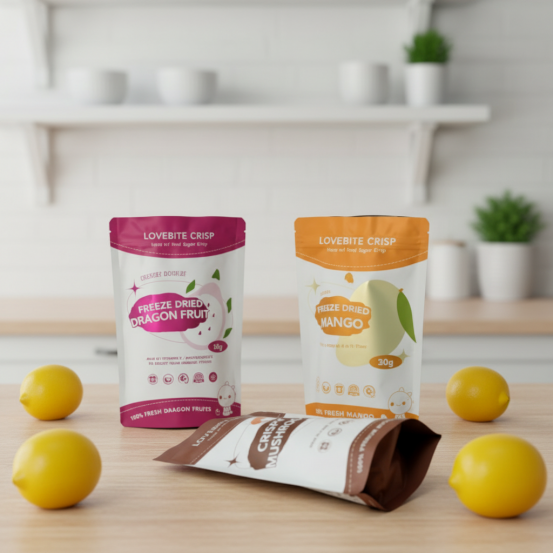
The snack industry is a fast-paced and dynamic segment of the business that covers both the freshness and safety of the product and a brand value, which is defined by the packaging. When selecting the most appropriate solution to different products it is necessary to learn about the most popular snack packaging materials in the case of B2B customers and food companies. Change of the flexible films to environmentally friendly materials, the nature of the material used has a direct impact on the shelf life, transportation and consumer perception. The paper explains the significant snack packaging materials in the modern world, their properties, applications, and merits.
Flexible Plastic Films: The Industry Standard
Use of flexible plastic films in packaging of snacks is the most widespread and universal since it is versatile, light, and economical. The strength/barrier balance is commonly achieved using multi-layer structures composed of polyethylene (PE), polypropylene (PP) and polyethylene terephthalate (PET). Such films are particularly suitable with such products as chips, biscuits and puffed snack since it provides an excellent protection against moisture and oxygen which are the fourth-largest culprits when it comes to spoilage of food.
Laminated film designs are also produced to enhance durability at minimal costs and hence, are more popular by large scale food manufacturing organizations. Moreover, these films could be developed in high-quality, therefore, in branding, which will make the products visible among the crowded shelves at the retail stores.
Aluminum Foil Laminates: Ultimate Barrier Defense
In case of light snacks that are either oxygen sensitive or high fat based i.e. nuts, coffee based snacks or oily objects, laminates of aluminum foil would be the most suitable in providing some kind of protection, which is unmatched. These consist of materials that provide a partial or a total barrier against oxidation, and they help to prolong shelf life and damage of flavor is avoided.
The aluminum foil is used so frequently in conjunction with multi-layer structure so that the food can have as much of its freshness as possible. This is especially efficient when it comes to high-end snack brands which need to be distributed across a lengthy distance and have the same quality of products they deliver in the overseas markets. The cost of the investment in using it is compensated by the quantity of products wasted and a stronger brand image due to the quality, the aluminum foil laminates are somehow more expensive than the traditional plastic films.
Paper Packaging: Versatile and Eco-Friendly
As sustainability moves on to occupy an augmenting theme in the packaging arena, paper-based products have gained a lot of popularity. Dry snacks, organic and products that a natural, rustic appearance suits the brand are usually packaged in kraft paper and coated paper.
Grease and moisture protective coating or laminations can be added to modern paper packaging without affecting its recyclability. This allows the brands to reduce the effects they have on the environment without affecting the levels of their performance. The paper packaging is especially appealing to the companies that target the environmentally friendly consumers and would like to supplement the sustainability strategy.
Compostable and Biodegradable Materials
The second new trend is biodegradable and compostable materials that snack packaging will take in reaction to increasing pressures put on the company (regulations and consumers are demanding greener materials). They are natural materials which can be degraded under a special condition and they are less harmful to the environment in the long perspective.
Polymers based on plants, compostable film and bio-based coating that maintains the food safety and barrier properties are examples of innovations in this area. Such solutions will be particularly attractive to brands, which are located in markets that are controlled by the environment or brands that are interested in differentiating themselves by good sustainability results. Due to the technological development, such materials are becoming more competitive and affordable to the mainstream applications.
Multi-Layer Composite Structures: Optimized Performance
The modern snack packaging could be founded on the multi-layer composite constructions that is an amalgamation of the merits of the different substrates. To illustrate, a typical building could be founded on the PET to offer mechanical strength and printability, aluminum foil to offer barrier protection and PE, a heat-seal layer. Such a combination will offer the greatest protection, shelf appeal and package efficiency.
A summary of the common multi-layer structures, its level of barriers, applications, and benefits is in the following table:
| Packaging Structure | Barrier Level | Typical Applications | Key Benefits |
| BOPP / CPP | Medium | Biscuits, cookies, wafers | Good clarity, cost-effective, suitable for dry snacks |
| PET / PE | Medium | Granola, dried snacks, small snack packs | Strong structure, good printability, moisture protection |
| BOPP / VMPET/PE | High | Chips, puffed snacks | Better oxygen and moisture barrier, extends shelf life |
| PET / VMPET / PE | High | Potato chips, nuts, flavored snacks | Excellent barrier, widely used in premium snack packaging |
| PET / AL / PE | Very High | Nuts, coffee snacks, high-fat snacks | Maximum protection from oxygen, moisture and light |
| Kraft Paper / PE | Medium | Organic snacks, healthy snacks | Natural appearance, brand-friendly design |
| Kraft Paper / PLA | Medium | Eco-friendly snack brands | Compostable option, sustainable packaging trend |
| PET / PA / PE | High | Vacuum snack packaging, protein snacks | Strong puncture resistance and durability |
| OPP / PE | Medium | Candy, small snack packs | Lightweight and economical |
| Paper / VMPET / PE | High | Premium snack packaging | Combines natural look with strong barrier |
These composite constructions may be designed to suit the needs of the specific product, so that each solution of the packaging provides the maximum protection, shelf life and comfort to the user. It is particularly useful with the B2B customers who have different needs and manage various product portfolios.
Selecting the Righttype Material of your Snack Products.
The key factors of choice of the snack packaging material include:
· Product type and ingredients: High-fat or high moisture products need a higher barrier strength.
· Shelf life required: Long shelf life requires the use of better oxygen and water resistant materials.
· Sensitivity to moisture and oxygen: There are snacks that are highly sensitive to environmental factors, e.g. nuts or chips.
· Transportation/ storage: Distribution channels where there are fluctuations in temperature or a long transit period will require sturdy packaging.
· Sustainability goals: Brands which are committed to lessening their environmental impact can focus on recyclable, compostable or bio-based materials.
Collaboration with a successful packaging company assists the brands in determining the most appropriate material construction of its products. Cailyn will allow global snack brands to secure their products by using innovative design, top quality materials and ensure strict quality control: it will produce packaging that will be noticeable on retail shelves.
Conclusion
The snack packaging material used is a strategic aspect, which determines the quality of the product, brand perception, and environmental responsibility. Flexible plastic films and aluminum foil laminates to paper and biodegradable, all are available with specific benefits; each material is better applied in different applications. Multi-layer composites also broaden the options, making it possible to shape solutions that can be tailor-made to achieve the desired performance, cost and sustainability.
With the trends in the consumption preferences and regulatory environment constantly changing, it is necessary to keep up with the material alternatives and new trends to stay competitive by snack brands. Working with informed suppliers and focusing on functionality and sustainability, businesses can create the packaging that is in line with the requirements of the modern market and is ready to address the demands of the future.
Table of Contents
- Flexible Plastic Films: The Industry Standard
- Aluminum Foil Laminates: Ultimate Barrier Defense
- Paper Packaging: Versatile and Eco-Friendly
- Compostable and Biodegradable Materials
- Multi-Layer Composite Structures: Optimized Performance
- Selecting the Righttype Material of your Snack Products.
- Conclusion