
 EN
EN
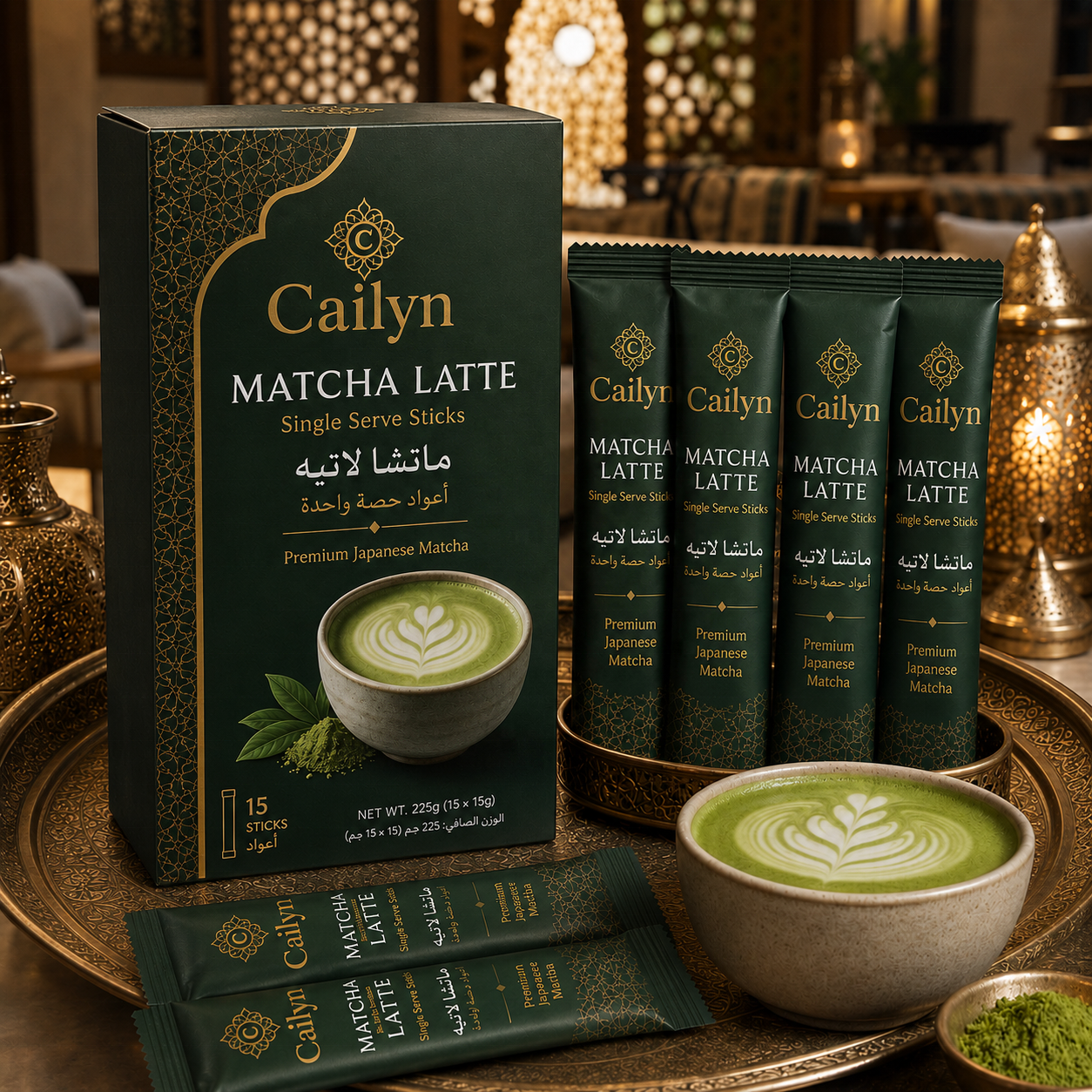
As they grow, they may eventually produce a greater volume of coffee products, at a lower cost per unit, in packaging that consistently reflects the brand across various coffee beans or blends.
This creates an important decision:
Should the brand continue using digital printing or move to rotogravure printing?
Both produce professional custom coffee bags, but are tailored to distinct business growth phases. Digital Printing generally offer more flexibility for the pilot order stages and for managing the variety of SKUs involved, whereas Gravure becomes more cost-effective once you are dealing with product line stability and increased volume. Selecting the appropriate process enables a coffee brand to control initial costs, decrease lead times in your product development cycle and scale production without sacrificing on packaging, while minimizing risk.
What Is Digital Printing for Coffee Bags?
Digital printing transfers artwork from a digital file onto packaging film without requiring the need for engraved cylinders.
It’s ideal for brands requiring lower quantities of bags, and also very useful when expecting that you will want frequent updates to the design of packaging. These include:
· New coffee brands launching
· Limited-run, seasonal or holiday offerings
· Multi-origin or a variety of roasting profiles
· Short promotional cycles
· Pilot and test packaging runs
· Testing of marketing concepts
· Designs with frequently changing product information
Since there are no costs associated with setting up gravure cylinder artwork, coffee brands can test custom designed packaging options with a lower initial investment. This may benefit coffee companies offering single origin, specialty espresso blends and decafs in relatively small numbers of each product, without wanting a big initial commitment for any single packaging print run.
Main Advantages of Digital Printing
· Very low minimum order quantities
· No cylinder costs associated with new designs
· Faster lead times for artwork changes
· Very flexible, and simplifies handling multiple SKUs
· Ideal for sample, promotional, and seasonal products
· Shorter time to production for new artworkdesigns
Digital printing can allow a developing brand to get feedback on a bag size, design and material choices, and to gauge customer reaction, before a high volume commitment is necessary.
What Is Rotogravure Printing for Coffee Bags?
Rotogravure printing creates the image by engraving the pattern or artwork on the surface of cylinders.
Ink is applied to these engravings, and excess ink is scraped away, leaving ink only within the depressions.
Each separate color requires its own gravure cylinder. The cost associated with the gravure cylinders is high, but the per-unit cost of packaging is significantly lower for larger volume print runs. Gravure Printing is the best choice for:
· Stable, on-going core coffee product lines
· Non-changing artwork - Higher repeat volumes
· Higher annualized print quantities
· Required, highly accurate brand colour reproduction
· Larger volume retail or wholesale orders
· The broad availability of flexible packaging structures
With cylinders and colour standards already in place and approved, gravure printing offers an efficient and consistent solution for high-volume and on-going runs.
Main Advantages of Gravure Printing
· Lower per unit printing costs at higher print volumes
· Extremely consistent image reproduction across commercial production runs
· Good colour saturation and definition
· High level of detail captured
· Works with a wide variety of flexible packaging film
· Efficient for long-term, repeating runs
Rotogravure printing is often the better selection when a brand has a confirmed packaging design and plans consistent, repeated packaging needs.
Digital vs. Gravure Printing: Key Differences
| Comparison | Digital Printing | Rotogravure Printing |
| Best For | Trial orders, multiple SKUs and seasonal products | Stable, higher-volume product lines |
| Initial Setup Cost | Lower | Higher because cylinders are required |
| Unit Cost | Better for small runs | More competitive for larger runs |
| Artwork Changes | Fast and flexible | New or modified cylinders may be required |
| Color Control | Good for short runs and testing | Strong consistency within approved tolerances |
| Lead Time | 7 days | 15-17days |
In evaluating which option to use, it’s not merely a numbers game but also about understanding these critical factors:
· Number of product SKUs you need to produce
· Expected frequency of repeat orders
· The expected level of stability of your artwork
· Desired timeline for launching new products or packages
· Projected annual packaging volume
· Critical brand color expectations
· Plans for future expansion
When Should a Coffee Brand Start with Digital Printing?
The decision to opt for digital is often ideal when your business is in a growth and exploration phase, when you’re testing products, markets, and refining packaging choices. A roaster, for example, might be looking to release:
· A trio of single-origin coffees
· One main signature espresso blend
· A seasonal special
Maybe in a couple different bag sizes and it would simply be too risky or too expensive to invest heavily in a big production order from rotogravure for each of them, tying you into excess inventory should one or more prove to be less popular than projected.
Also, digital is often more versatile for packaging with information that changes on an on-going basis:
· Origin
· Coffee date format
· Specific taste note description
· Limited-edition graphics
· Certification markers
· Product feature details
Although digital printing can become a costlier option as one particular package Design consistently becomes very large. It then become reasonable to compare, the long-term cost of this specific product being run through rotogravure printing.
When Does Gravure Printing Become More Practical?
· Your coffee packaging artwork is stable and unlikely to change
· One or more product SKUs will continue to sell consistently at a consistent volume
· Your annual order volume is increasing.
· Lower unit costs become more important than low initial setup costs.
· Consistent brand colors are required across repeated production runs.
When making the decision, look beyond print pricing and consider the total cost over the long term by assessing the factors that apply to your situation, including:
· the costs associated with engraving cylinder sets
· printing price per unit
· likely total annual order quantity
· anticipated frequency of reprints
· required storage conditions
· potential risk for obsolete inventory
· anticipated artwork changes
A marginally higher up-front setup cost for gravure cylinders can be more than justified by significantly lower ongoing running costs for your packaging.
Can a Brand Move from Digital to Gravure Without Redesigning Everything?
In most cases, yes, the basic look of your artwork can carry over, though the files will absolutely need to be modified. Digital and gravure printing operate on entirely different systems, so you should not expect the final colours to be absolutely identical between the two processes, even on identical material. Before transferring a product to rotogravure, the printer will be looking at:
· artwork layout and specifications
· print separation and the colour separations
· Pantone and CMYK codes specified
· Material type
· Glossy versus matt finish
· registration –
· barcodes and fine print on packaging -location of valve and zipper
Will provide a print proof, colour target or sample, or approved mock-up that defines the appearance and performance of the packaging print job going forward. The key goal will be the establishment of visually acceptable appearance from one job to the next rather than exact matches.
Coffee-Specific Details That Must Remain Consistent
When you transition a bag design from one printing method to the next, the fundamental construction and functional design aspects of the package must remain the same:
· Dimensions of finished bag
· Width of top, side gussets, or bottom seal
· Thickness of flexible film material - Specific Film material grade and structure
· Placement of the zipper
· Placement of the degassing valve
· Location of the tear notch
· Width of the seal around the bag
· size of the filling openning
· Orientation of design artwork on the bag
Even slight adjustments in the placement of the valve, or in gusset dimensions can affect the fill process or the final look of your coffee in the bag - so it’s critical to keep your established pilot design as the benchmark.
How Cailyn Supports Coffee Packaging Scale-Up
Cailyn supports coffee brands at different stages of development, from short-run custom packaging to larger commercial production.
· Careful examination of your coffee product’s fill weight
· Recommended bag format and style
· Assistance with both digital andgravure print decision-making
· Consultation on materials, barriers, and structural requirements
· Art and colour specifications checks
· Zipper and valve placement considerations - Pilot production run capabilities
· Gravure cylinder development for repeatable, high-volume designs
· management of complex multiple-product SKUs
· Dimension and print quality control to your agreed standards
· Planning support for shipping and ongoing inventory of products
We won’t assume your brand needs to switch every SKU to gravure printing overnight - we work with your individual needs and growth plans to find the best solutions.
What Information Is Needed for a Printing Recommendation?
If you'd like to compare digital vs gravure for your project, give the packaging manufacturer a few details:
· coffee type: bean, ground or instant
· Fill weight desired bag structure finished bag size
· Number of SKUs, number per design anticipated yearly volume
· Artwork files Finished required Zippers & valves desired earliest target launch date target market
This information is crucial because it helps the manufacturer provide recommendations on the most appropriate printing method not for one single order, but the entire packaging project.
Frequently Asked Questions
Is digital printing suitable for premium coffee bags?
Yes. Digital printing produces eye-catching, high quality coffee packaging, and excels at running short print runs, a variety of different designs and product testing.
Can digital and gravure colors look exactly the same?
Not always. Visible differences can appear based on the substrate, ink system and process.
Ensure you work with an agreed upon color references and acceptable tolerance levels.
Can I use digital printing for some SKUs and gravure for others?
Yes. Growing coffee brands utilize digital for seasonal/lower volume products and gravure for their stable/steady sellers.
Do I need new artwork when moving to gravure?
The same design can often be retained, but the artwork may require color separation, trapping and other production adjustments.
Choose the Right Printing Method for Your Growth Stage
The best printing method is not simply the newest or the cheapest option.
Digital printing helps coffee brands launch faster, test more designs and manage smaller quantities. Gravure printing supports efficient commercial production when designs and demand become stable.
Send Cailyn your bag size, number of designs, quantity per SKU, artwork and expected annual demand. Our team can compare the available printing options and recommend a practical path from pilot packaging to commercial production.
Primary CTA:
Compare Coffee Bag Printing Options
Secondary CTA:
Request a Custom Coffee Packaging Quote
Table of Contents
- Should the brand continue using digital printing or move to rotogravure printing?
- What Is Digital Printing for Coffee Bags?
- Main Advantages of Digital Printing
- What Is Rotogravure Printing for Coffee Bags?
- Main Advantages of Gravure Printing
- Digital vs. Gravure Printing: Key Differences
- When Should a Coffee Brand Start with Digital Printing?
- Can a Brand Move from Digital to Gravure Without Redesigning Everything?
- Coffee-Specific Details That Must Remain Consistent
- How Cailyn Supports Coffee Packaging Scale-Up
- What Information Is Needed for a Printing Recommendation?
- Frequently Asked Questions
- Choose the Right Printing Method for Your Growth Stage