
 EN
How to Source Complete Tea Packaging: Filters, Inner Bags, Sachets, Boxes and Tins from One Partner
Tea packaging is not a collection of separate components. It is one coordinated system—from the brewable filter and protective inner bag to the outer sachet, retail box and tin.
For a tea brand, each layer has a different job. The filter affects the brewing experience. The inner bag or individual sachet protects aroma and freshness. The box, tube or tin carries the brand on the shelf. When these components are sourced from separate suppliers, development can quickly become complicated: dimensions do not align, colours vary across materials, approvals take longer and freight becomes fragmented.
This guide explains how to build a complete tea packaging system and why working with one coordinated packaging partner can make product development, quality control and delivery easier to manage.
Why Sourcing Tea Packaging from Multiple Suppliers Creates Hidden Costs
Many tea brands source tea filters, flexible inner bags, outer sachets, paper boxes and tins from different factories. Each supplier may be skilled in its individual category, but the customer is then responsible for making the full pack work together.
Separate components require separate decisions
Tea filters may be made from paper, non-woven material, PLA or other plant-fibre-based options. The outer sachet may need a high-barrier flexible structure. A retail box needs a separate paperboard specification and a tin requires a different finishing approach. Every material has its own artwork setup, print method, MOQ, lead time and tolerance.
When these decisions are made separately, it is easy to overlook how one change affects the next component. A larger tea bag may require a wider outer sachet. A revised sachet may change the ideal box size. A premium tin may still need an inner barrier bag to properly protect the tea.
Brand colours can look inconsistent across substrates
The same artwork will not look identical on uncoated paper, glossy film, metallised film, a label and a metal surface. If each component is approved independently, the finished tea collection may look visually disconnected on the shelf.
The practical goal is not an unrealistic promise of zero colour variation. It is a coordinated visual system in which the filter pack, sachet, box and tin look intentionally related when customers see them together.
Fragmented shipping adds complexity and cost
Separate suppliers can mean multiple export cartons, freight bookings, arrival dates and quality checks. For a new launch or limited collection, this often increases communication work and makes it harder to calculate the true landed cost of the complete package.
Step 1: Start with the Tea and Consumer Experience
Before choosing a package, define how the tea will be sold and brewed.
• Is it loose-leaf tea, a single-serve tea bag, a pyramid bag or a sampler set?
• What is the fill weight and bulk volume of the tea? Light, bulky herbal blends need more space than fine-cut black tea.
• Is the product intended for daily retail, subscription packs, hospitality, travel or gifting?
• Does the target market prioritise recyclable materials, premium presentation, compact storage or individual convenience?
• Does the tea need an individual outer sachet for freshness, or will a high-barrier inner bag sit inside a tin, paper tube or box?
A successful tea pack starts with these choices. Packaging should be developed around the tea and the consumer experience—not around a box shape chosen before the product is defined.
| Tea format / customer need | Recommended packaging system | Why it works |
| Single-cup tea bag for cafés, hotels or daily retail | Non-woven, paper or PLA tea filter + high-barrier individual outer sachet + multipack paper box | Convenient, hygienic and easy to brand; the outer sachet helps protect freshness until brewing. |
| Premium whole-leaf, floral or herbal tea | Larger tea filter or pyramid-style format + individual outer sachet + premium folding box or gift box | Gives the tea room to expand and supports a more premium unboxing experience. |
| Loose-leaf tea in small retail sizes | High-barrier inner bag + stock 30g, 50g or 100g tea tin with custom label | Creates a reusable premium tin format without the high MOQ and tooling cost of a fully custom metal tin. |
| 250g or 500g loose-leaf tea for retail or refill programmes | High-barrier flexible inner bag, optionally packed inside a paper tube, carton or larger tin | The flexible bag protects freshness and is easier to adjust for fill volume and transport. |
| Tea refill packs, online orders or brands focused on lighter freight | High-barrier flexible pouch or bag with a resealable closure where appropriate | Uses less rigid material, occupies less shipping space and suits refills or direct-to-consumer delivery. |
| Sampler, subscription or discovery set | Individually packed tea sachets + divided paper box, drawer box or gift box | Keeps flavours separated and presents several blends in one retail-ready set. |
| Natural or paper-led premium positioning | High-barrier inner bag + paper tube made from an available existing mould + paper label or printed wrap | Supports a natural visual direction and can avoid the tooling cost of a newly developed tube size. |
Step 2: Select the Right Filter, Barrier and Outer Format
Tea filters: choose brewing performance first
Tea filters are the only component directly involved in brewing, so material selection should consider water flow, particle retention, heat-sealing requirements and the tea blend.
Paper and non-woven filters can suit many conventional tea-bag applications. PLA and selected plant-fibre-based options may be appropriate for brands pursuing a bio-based or more sustainability-led presentation. For larger leaf teas, herbal blends or visually premium products, the filter format and space available for expansion should be assessed before finalising the size.
The most suitable material depends on the actual tea, fill weight and brewing expectation. Cailyn can help align the chosen filter with the inner sachet and retail format.
Inner bags and outer sachets: protect aroma and freshness
Loose-leaf tea inside a tin, paper tube or folding box normally still requires a protective inner bag. For individually packed tea bags, a high-barrier outer sachet protects the product from moisture, oxygen and external odours until the consumer is ready to brew.
Cailyn can recommend suitable high-barrier structures according to shelf-life needs, product positioning and material direction. Recyclable mono-material options, kraft-look laminates and conventional high-barrier structures can be assessed case by case.
For small launches and design testing, digital printing can support flexible quantities and short development cycles. For larger-volume programmes, rotogravure printing is well suited to stable colour reproduction and efficient repeat production.
Boxes, tubes and tins: match the retail story to the tea format
The outer pack should protect the product during retail handling while communicating origin, flavour, brewing instructions and brand value. Folding cartons work well for tea-bag packs and sampler collections. Drawer boxes, rigid gift boxes and display cartons can support premium launches. Paper tubes and tins suit loose-leaf tea, gift sets and reusable home storage.
The key is to confirm the pack from the inside out: filter or tea fill first, inner bag or sachet second, then the outer box, tube or tin.
Low-MOQ Tea Tins: Use Stock Sizes with Custom Labels
Tea tins offer a premium and reusable presentation, but fully custom metal tins are not always the right starting point for a new tea brand. Custom shapes, special sizes and direct decoration on metal commonly require a high MOQ and may involve additional tooling costs.
Cailyn offers a more flexible approach for smaller launches. We keep selected standard tea-tin sizes in stock, including options designed for approximately 30 g, 50 g and 100 g of tea. Brands can customise the tin with printed labels, seals, sleeves or an outer box, reducing initial MOQ, development time and inventory risk.
The actual tea capacity depends on the bulk density of the blend. A light whole-leaf tea or bulky herbal blend can occupy more space than a fine-cut tea at the same weight, so the tin should be confirmed with the actual product before production.
This stock-tin plus customised-label solution helps brands create a branded, premium look without committing to the cost and volume of developing a completely new metal tin.
Paper Tubes: A Paper-Led Alternative for Tea Brands
For brands looking for a more natural, paper-led packaging direction, custom paper tubes are another option. Compared with a metal tin, a paper tube can reduce the use of metal and support a natural or craft-oriented brand aesthetic. Its overall sustainability profile should still be considered together with the chosen liner, label, closure and local recycling system.
Cailyn can develop paper tubes around existing tube diameters and moulds, helping avoid unnecessary tooling cost and high development MOQ. If a custom tube is required, customers can first check available standard specifications with our team before developing a new size.
Paper tubes can be paired with a high-barrier inner bag for aroma protection, then finished with labels, printed paper wraps, foil details or outer gift boxes according to the target market.
Step 3: Design for Your Target Market and Retail Position
Tea packaging should reflect where and how the product will be sold.
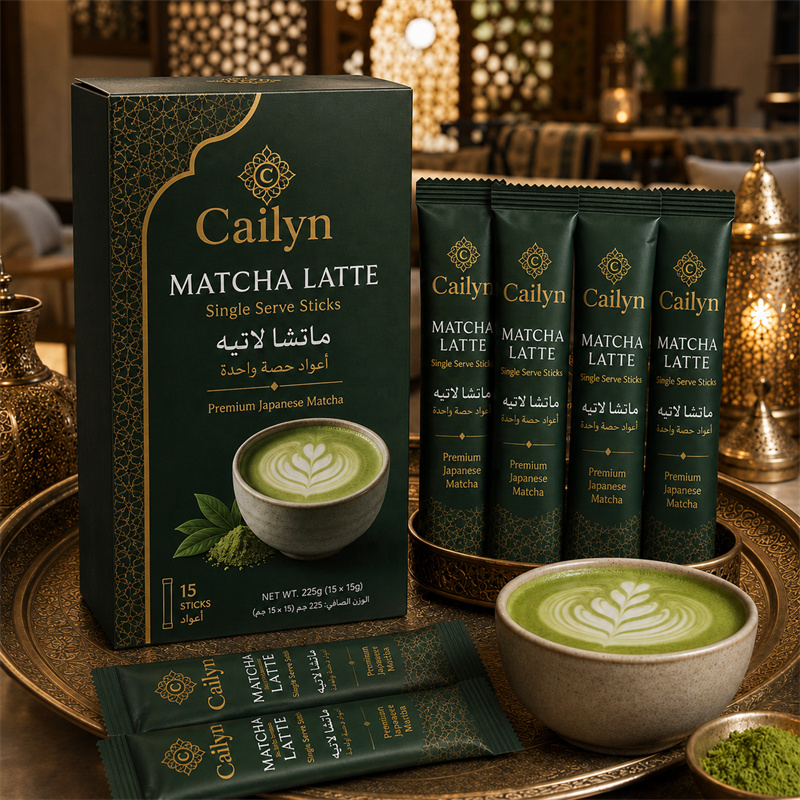
For eco-focused European brands, paper-led presentation, calm natural colours and appropriate recyclable-material options may be priorities. In Japan, a compact format, careful detailing and a refined gift experience often work well. In Middle East markets, richer colour contrast, metallic details and Arabic/English layouts may be relevant. In the United States, clear flavour communication, strong shelf recognition and convenient multipack formats can be especially important.
These are not fixed design rules. They are starting points for aligning material choice, graphic style and retail format with the intended customer.
Step 4: Coordinate Colour, Fit and Artwork Across Every Component
A tea collection feels premium when every component works together. Cailyn can coordinate the development of filters, flexible packaging and paper-based outer packs as one project.
This includes:
• Reviewing the artwork as one complete tea-packaging family
• Establishing a colour target before samples are approved
• Selecting appropriate printing and finishing methods for film, paperboard, labels and paper tubes
• Confirming that filters, sachets and inner bags fit the selected box, tin or tube
• Checking final pack count, folding, carton packing and visual consistency before export
Paperboard, flexible film and labels will always respond differently to ink and surface finish. By planning them together, the team can manage those differences early instead of leaving the brand owner to resolve them between several suppliers.
Step 5: One Coordinated Partner from Development to Final Inspection
With more than 21 years of packaging manufacturing experience and a base in Wenzhou, one of China's major packaging manufacturing hubs, Cailyn coordinates flexible packaging, paper packaging and tea-packaging components through one project team.
Different components naturally require different specialist processes. Where qualified local production partners are involved, Cailyn coordinates the specifications, artwork, production timing and quality requirements, while retaining responsibility for final inspection and export readiness.
This gives tea brands a single contact for the complete package rather than requiring them to manage multiple production chains on their own.
Step 6: Consolidate Shipment and Plan the Full Landed Cost
One-stop packaging should also simplify delivery. Consolidating tea filters, inner bags, sachets, boxes, labels and selected tins or paper tubes into one export plan can reduce fragmented shipments and make inventory planning easier.
Depending on destination, shipment volume and product requirements, Cailyn can assist with air freight, sea freight and DDP shipping options for selected destinations. This helps brands consider the landed cost of the complete tea-packaging system—not only the unit price of each separate component.
Build Your Tea Packaging System with One Partner
The best tea packaging is not a series of unrelated purchases. It is a connected system that protects freshness, supports the brewing experience, presents the brand consistently and arrives ready for retail.
Whether you need non-woven or PLA tea filters, high-barrier inner bags, individually packed outer sachets, folding boxes, stock tins with custom labels or paper tubes, Cailyn can help coordinate the complete solution.
To begin, share your tea type, fill weight, preferred filter format, target market, desired pack count, artwork status and estimated order quantity. Our team can recommend a suitable packaging system, printing approach, low-MOQ option and delivery plan.
Table of Contents
- How to Source Complete Tea Packaging: Filters, Inner Bags, Sachets, Boxes and Tins from One Partner
- Why Sourcing Tea Packaging from Multiple Suppliers Creates Hidden Costs
- Step 1: Start with the Tea and Consumer Experience
- Step 2: Select the Right Filter, Barrier and Outer Format
- Low-MOQ Tea Tins: Use Stock Sizes with Custom Labels
- Paper Tubes: A Paper-Led Alternative for Tea Brands
- Step 3: Design for Your Target Market and Retail Position
- Step 4: Coordinate Colour, Fit and Artwork Across Every Component
- Step 5: One Coordinated Partner from Development to Final Inspection
- Step 6: Consolidate Shipment and Plan the Full Landed Cost
- Build Your Tea Packaging System with One Partner