
 EN
EN
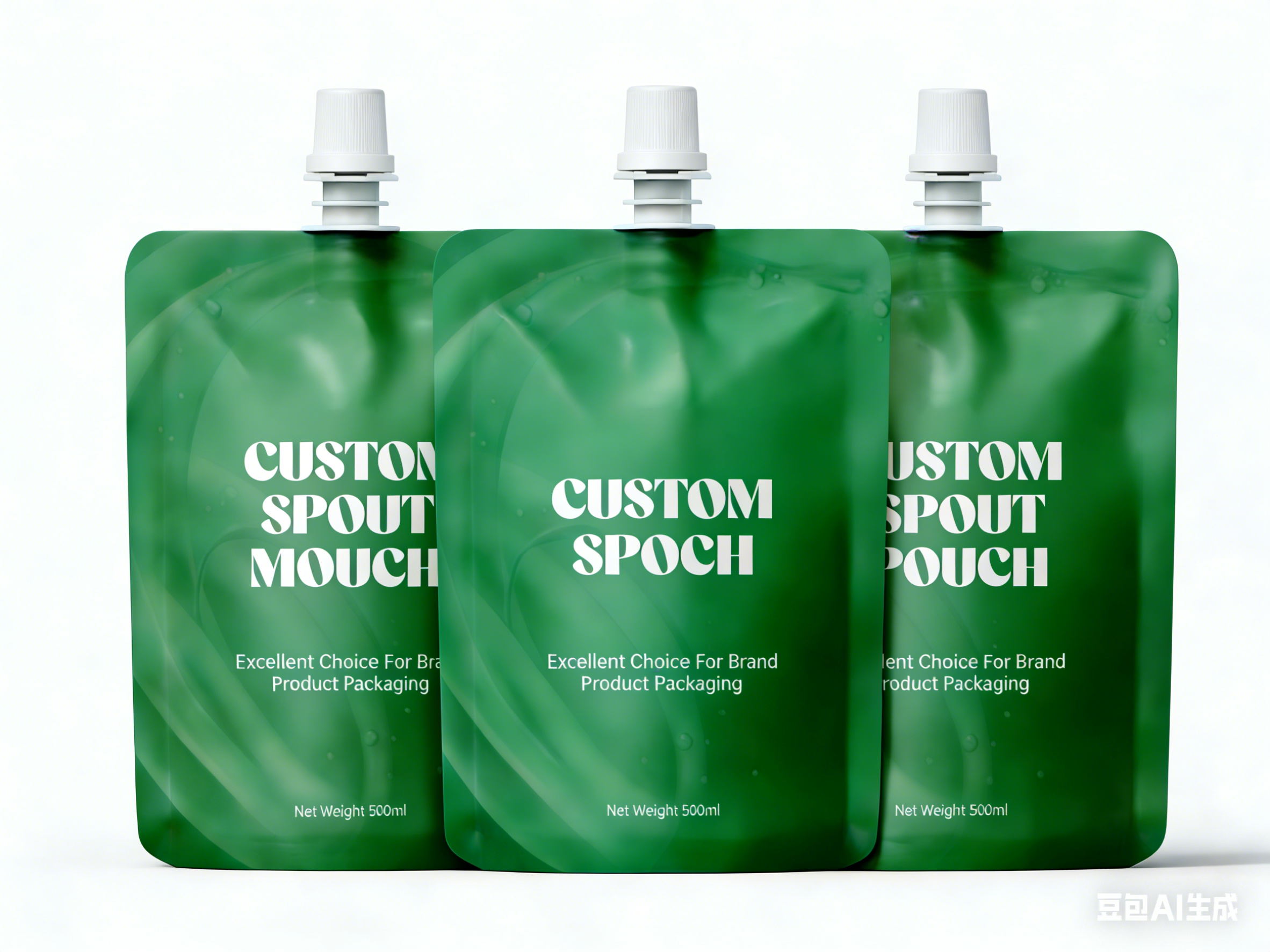
Den nuvarande marknaden för konsumentvaror är mycket dynamisk, och förpackningens roll har utvecklats till mycket mer än att enbart innehålla produkterna – den bidrar avgörande till säkerhet, bekvämlighet, hållbarhet och varumärkesuppfattning.
Påsar med utlopp är också på väg att bli ett favoritval för förpackning av livsmedel och vätskor, exempelvis juice och såser, kryddor och näringstillskott i vätskeform. Men när efterfrågan ökar uppstår en viktig fråga: är påsar med utlopp säkra för livsmedel och vätskeprodukter?
För att ge ett tydligt ja till detta är det avgörande att ta hänsyn till designparametrarna för dessa påsar, de material som används samt möjligheten att säkerställa produktens integritet inom ramen för produktens leveranskedja.
Vad gör utloppspåsar lämpliga för livsmedel och vätskor?
Utloppspåsar är uppbyggda av flerskiktade laminerade filmer som ger styrka, barriärskydd och ytor som är godkända för kontakt med livsmedel.
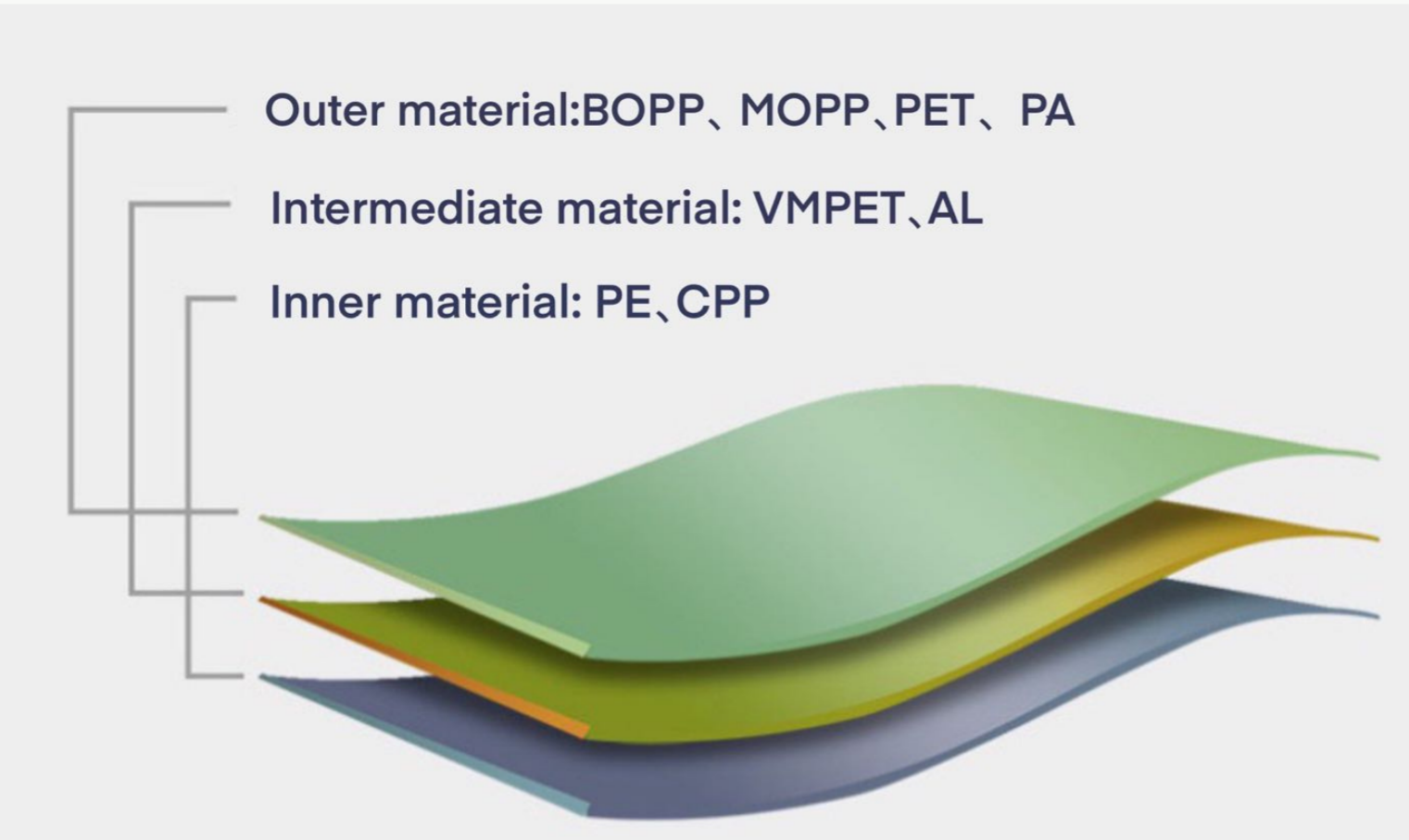
Flerskiktade kompositmaterial används vanligtvis för tillverkning av utloppspåsar och erbjuder olika funktionella egenskaper.
1. Vanliga kompositstrukturer inkluderar:
PET/AL/PE: Detta är den mest populära tredelade kompositstrukturen, som är lämplig för vätskor, juice och drycker av samma karaktär. PET-lagret är starkt och lätt att trycka på, aluminiumfolielagret har goda barriäregenskaper och PE-lagret ger bra seglning och läckagebeständighet.
PET/NY/PE: Det är en struktur som används i produkter med högre tryckmotstånd eller förseglingsegenskaper. Den innehåller ett nylonlager som ger förbättrad mekanisk hållfasthet, vilket gör den lämplig för andra produktslag såsom såser, tvättmedel m.m.
PA/AL/PE: Nylonlagret (PA) har bättre temperatur- och genomborrningsmotstånd, vilket gör att det kan användas vid högtemperaturbehandlingar och för högkvalitativa produkter, t.ex. såser och flytande livsmedel.
Enskiktsmaterial
PE (polyeten): Används för lätta produkter såsom pulver, granulat och korn. Har goda förseglings- och fuktbegränsningsegenskaper, men svaga spärrsegenskaper.
PP (polypropen): Används främst för torra produkter och är mer styv och genomskinlig, vilket gör det idealiskt för förpackningar där hög genomskinlighet krävs, t.ex. godis och nötter.
3. Miljövänliga material
Med tanke på miljötrenden tillverkas allt fler utloppspåsar av återvinningsbara eller biologiskt nedbrytbara material:
Biologiskt nedbrytbara material: Denna typ av material inkluderar PLA (polylaktid) och polybutylensukcinat, vilka är idealiska material för förpackning av livsmedel och drycker. Dessa material bryts ner till miljövänliga ämnen efter en viss tid, vilket minskar den miljömässiga påverkan.
Papper-plastkompositer: Dessa används för vissa livsmedel (t.ex. mejeriprodukter) och hushållskemikalier. Inkluderingen av papper gör förpackningen mer tryckbar och miljövänligare.
Den inre delen, som vanligtvis består av PE, väljs på grund av dess utmärkta egenskaper för hetfogning och kemisk resistens, medan yttre lager som PET ger strukturell hållfasthet och estetisk utformning. En kombination av dessa lager bildar, när de lamineras på rätt sätt, ett barriärsystem som blockerar externa miljöfaktorer från att påverka livsmedels- och vätskeprodukter, vilket bevarar kvaliteten och ytterligare förlänger hållbarheten.
Fördelen med dess säkerhet är att det har en återseglingsbar utloppslucka, vilket har hjälpt konsumenter att öppna, avge och återstänga påsen utan att utsätta innehållet för onödig kontamination. Spill undviks och det uppstår mindre förluster av varor, särskilt vätskor och halvflytande varor såsom såser, juice och mos.
Spärrskydd och hållbarhet: Att hålla innehållet färskt och säkert
Betydelsen av livsmedelssäkerhet handlar inte bara om hur man förhindrar livsmedelskontaminering, utan också om produktens färska, smak och näringsinnehåll under dess livscykel.
Det är i detta avseende som flerskiktsstrukturer används i utloppspåsar. Som ett exempel kan införandet av material som EVOH spela en stor roll för att utveckla motstånd mot syrepermeation, vilket är en av de faktorer som avgör bevarandet av lättförderliga produkter.
Fukten hålls kvar i högspärrande påsar, och överföringsfaktorer för ljus och gaser som kan bidra till försämring av kvaliteten minimeras. I praktiken är detta användbart för att förlänga hållbarheten utan att använda några konserveringsmedel eller alltför hårda behandlingsmetoder. Det är en av anledningarna till att påsar med utlopp används i segment som juice, mejeralternativ, såser och puréer.
Det bör också noteras att även om det anges att påsar med utlopp är effektiva för de flesta produkter, finns det situationer där de inte fungerar för starkt sura, kolatiserade eller flyktiga vätskor, vilka kan kräva särskilda filmer eller tekniska åtgärder.
Tillverkningskvalitet och efterlevnad av livsmedelssäkerhetskrav samt verkliga användningsfall
Förutom materialvetenskap är även tillverkningskvalitet och regleringar relevanta för säkerheten hos pås med utlopp. Leverantörerna av livsmedel från renommerade leverantörer följer kraven på livsmedelssäkerhet, t.ex. FDA:s eller EU:s regleringar för livsmedelskontaktmaterial, och utför integritetstester, såsom täthetstest för försegling, sprängtryckstest och tester av materialmigration.
Påsar med utlopp har visat sig vara pålitliga och har antagits av konsumenter i verkliga situationer vid normal konsumtion av färdigdricka, bebismat och livsmedelsförberedande produkter som används i livsmedelsförberedande miljöer, samt för vätskeförsörjning och liknande. Den återseglingsbara designen, den reglerade doseringen och den rena förseglingen har alla bidragit till säker hantering – från produktionslinjerna ända fram till köksbänkarna.
Självklart krävs det också förvaring och hantering. Tappfackpåsar, likt andra typer av förpackningar, bör vara motståndskraftiga mot höga temperaturer, skarpa kanter och långvarig UV-belysning; annars kommer förpackningen och själva produkterna att skadas.
Slutsats: Tappfackpåsar är ett säkert och genomförbart sätt att förpacka en bred rad livsmedel och vätskor. När de förpackas på rätt sätt måste de bestå av rätt material, genomgå korrekta tester enligt de krav som ställs, samt fyllas på rätt sätt. De kombinerar funktion, användarupplevelse och höga skyddsnivåer, vilket gör dem till ett intelligent val bland produkter som ska vara praktiska, säkra och hållbara i förpackningssammanhang för moderna varumärken.