
- Home
- Products
- Sustainability
- Solution
- About Us
- Download
- Contact Us
In today’s global marketplace, sustainability has evolved from a simple trend into a fundamental requirement. For brands seeking long-term success—particularly in Europe and North America—eco-friendly packaging has become the baseline for market access. But beyond regulatory compliance, sustainable packaging creates meaningful value: it builds trust, strengthens brand positioning, and delivers a lasting competitive edge.
Across Europe and North America, new packaging regulations are accelerating the transition toward recyclable and low-impact materials. Policies such as the EU’s Packaging and Packaging Waste Regulation (PPWR) and U.S. state-level packaging laws are setting higher expectations for recyclability, material transparency, and producer responsibility.Harmonise packaging standards and make packaging safe again.
These fast-evolving regulatory trends make one thing crystal clear:
recyclable packaging is no longer optional—it's becoming the new industry standard.
At Cailyn, we proactively support this global shift. As a flexible packaging manufacturer, we follow strict “Design for Recycling” principles to help brands meet emerging sustainability expectations while reducing their environmental footprint.
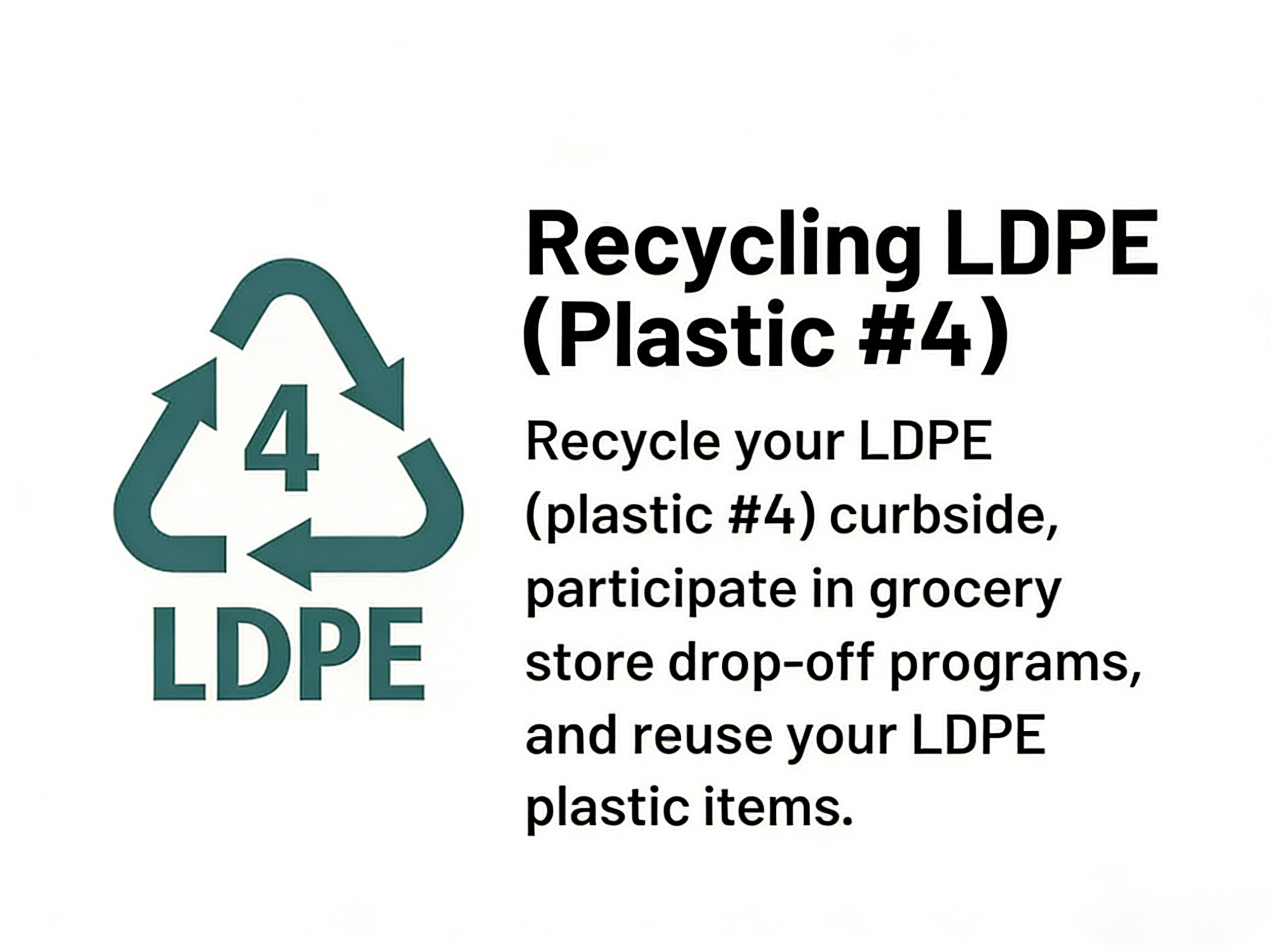
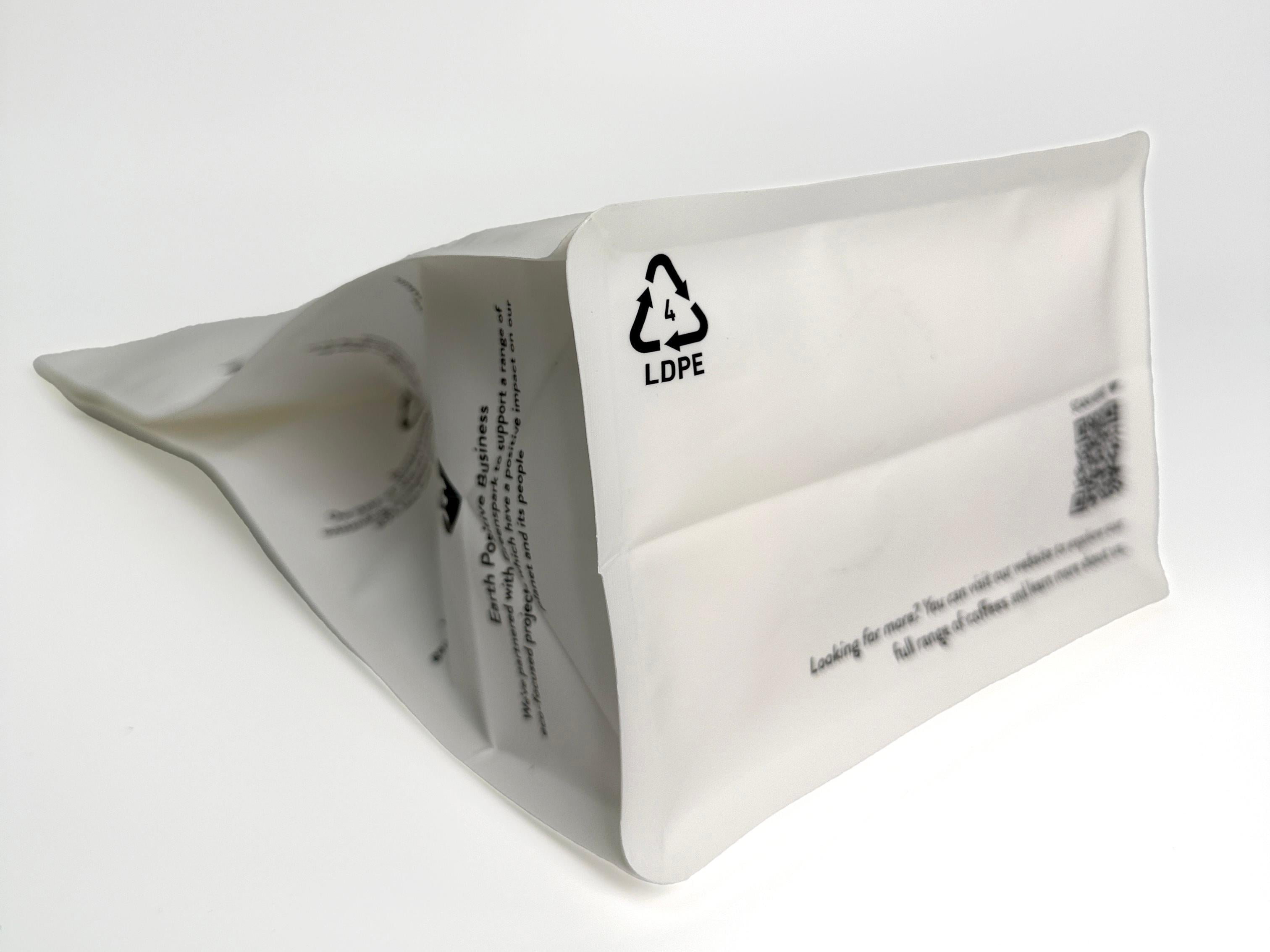
In Western markets, eco-friendly packaging is now a minimum expectation. Consumers are increasingly aware of the environmental impact of their purchasing choices and expect brands to take responsibility. Using recyclable materials has gone from a differentiator to a basic requirement for building credibility.Brands that fail to meet these expectations risk losing relevance as sustainability-oriented consumers gravitate toward companies aligned with their values.
Packaging materials are no longer a purely functional choice—they have become a strategic expression of brand values. By adopting recyclable, renewable, or biodegradable materials, companies can significantly reduce their environmental footprint while strengthening their market positioning.
Eco-friendly packaging communicates that a brand is forward-thinking, responsible, and actively contributing to a more sustainable world. This perception often translates into higher consumer trust and even premium pricing power.
Packaging is more than a protective layer—it is a medium for storytelling. Thoughtfully designed eco-features such as sustainability icons, certification logos, or QR codes that explain the lifecycle of the packaging can deepen the connection with consumers.
This transparent communication not only attracts environmentally conscious customers but also nurtures loyalty, turning satisfied users into long-term advocates.
While sustainable packaging may involve higher initial investment, it should be viewed as a long-term strategic asset. Eco-friendly packaging differentiates brands in crowded markets and reinforces a unique selling point that resonates with modern consumers. Over time, the return is clear: stronger brand equity, higher customer loyalty, and greater long-term competitiveness.
As sustainability becomes the new standard, brands that embrace eco-friendly packaging are not just meeting market demands—they’re shaping the future. By using sustainable materials, telling compelling green stories, and viewing eco-packaging as an investment, businesses can build trust, enhance their value, and create a lasting competitive advantage. The question is no longer whether to adopt sustainable packaging, but how quickly you can make the shift to stay ahead in the global market.
Copyright © Shanghai Cailyn Industrial Co., Ltd All Rights Reserved - Privacy Policy
 EN
EN