
 EN
EN
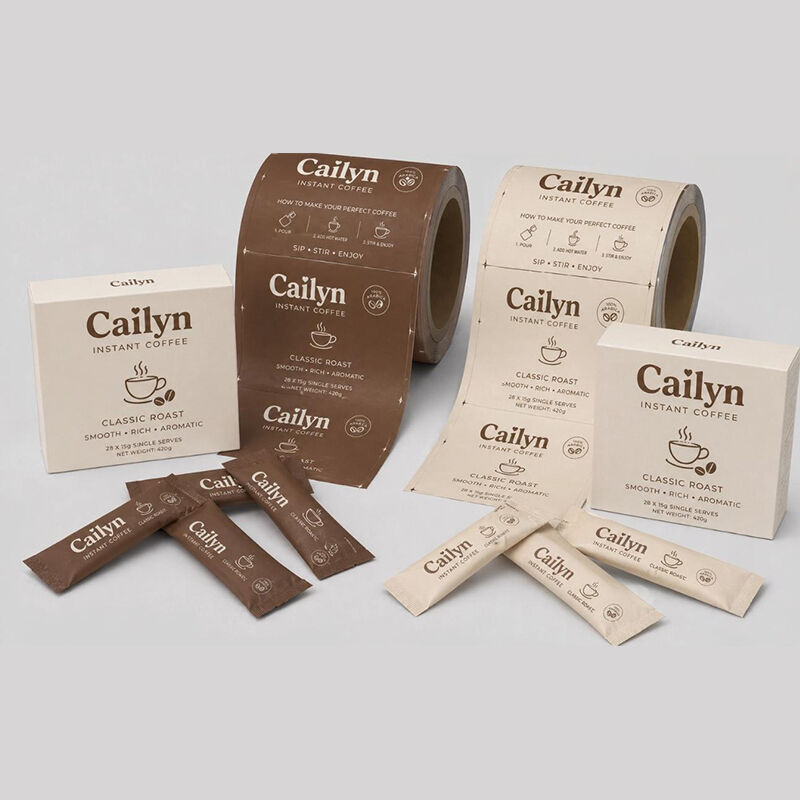
What Is Instant Coffee Sachet Packaging?
Instant coffee sachet packaging refers to single-serve flexible packaging formats such as stick packs and 3-side seal sachets, designed for moisture-sensitive coffee powder and high-speed filling lines...
Instant coffee sachets are about as tricky a flexible package as you can run. You’re running high speed filling lines, packaging a moisture-sensitive product, shipping across all kinds of temperatures, and satisfying food contact regs in dozens of countries. Any single failed run could result in a recall, a fractured buyer-supplier relationship, or even worse-a food safety alert. Here’s the checklist you should be using to assess your supplier along these five factors: factors that Cailyn addresses in our own facility every single day.
Production Capacity: Can They Scale With Your Growth?
When you talk about capacity, you’re not just talking about how many million sachets per month a supplier can print-you should be concerned with how many SKUs they can process without cross-contamination and how consistently they deliver on a daily basis. What you want to know here is the daily output in linear meters of printed rollstock, how many converting lines are devoted to producing stick packs and 3-side seal sachets, and the maximum lay-flat width that they can produce on those lines. If a supplier has excessive capacity on the sidelines, they will quickly de-prioritize your order if a major brand comes knocking with a much larger one. At Cailyn, we have multiple gravure and digital lines specifically dedicated to the production of our customers’ instant coffee sachets-and they go from proofing to shipment without being back-logged by some unrelated product.
Minimum Order Quantity (MOQ): Matching Your Cash Flow and SKU Strategy
Low MOQs can sometimes be advantageous, particularly when you are dealing with test markets, seasonal blends or regionally specific product versions. When low MOQs are true, they can sometimes suggest a broker rather than a printer acting in capacity and selling off their surplus. You must verify the film structure (e.g., PET/AL/PE for coffee high-barrier films) and not just assume that your low MOQs are specifically tailored to coffee applications rather than a stock film. A good supplier will also provide tiering of MOQs to include pilot, small batch, and production runs. At Cailyn, we offer low MOQs that are suitable for small runs via short-run digital printing but which scale naturally up to our gravure capabilities without forced subs or add-on charges.
Printing Precision: Color Consistency Across Batches and Time Zones
With instant coffee packaging, a rich, dark brown color coupled with an appealing gold finish and an inviting look are the keys to a successful branding strategy. A variable across a batch of sachets, for example, could have a disastrous effect on your consumer perception and brand loyalty. Your supplier should be able to provide 3 samples from the last three print runs on an identical product-run these through a spectrophotometer to get delta E scores-what is it and where does it fall? What press should be used? When you are dealing with higher volumes of your coffee sachets, you will want the guarantee of perfect Pantone matching on gravure presses. When you need a color change at an instant, digital can avoid plate charges all together. We lock down all CMYK and spot colors at Cailyn and our reports also include a spectrophotometer report showing delta E values so that you know the colors are true.
Certifications: The Non-Negotiable Legal Baseline
With global supply chain involved with instant coffee sachets, if there’s a forgotten certificate that your supplier doesn’t have, you could get stuck with an entire shipment. These minimum requirements should be expected:
ISO 22000 or FSSC 22000 for Food Safety Management Systems.
BRCGS Packaging Materials for Global Standards (standard requirement in the UK/EU markets)
FDA 21 CFR for US food contact layer applications.
EU 10/2011 regulations for coffee shipment into Europe.
BSCI or SMETA audit report indicating ethical sourcing.
If your product is Organic or Rainforest Alliance certified, your supplier will need dedicated lines to produce your sachet and maintain the integrity of your certification. Cailyn is currently certified to meet all major global market requirements and tracks each piece of the supply chain from the source, with full transparency.
Lead Time and Supply Chain Reliability: From PO to Port
Sampling brilliant and delivering two weeks after your required delivery date will still mess up your supply chain and your cash flow. It is important that a supplier will be able to give you their OTD (On Time Delivery) percentage for the last 12 months-and that they clearly distinguish between standard delivery times and rush order delivery times. Clearly specify if the quoted lead times are inclusive of art approval or deposit. A typical point of contention with suppliers, lead times should always account for delivery after your full art has been approved and deposit cleared. With coffee sachets, you will want your supplier to have experience and a system for packaging with moisture sensitive films, especially when shipping into monsoon regions; look for desiccant bags and proper barrier Gaylords for international shipments. Our lead times at Cailyn are set according to the print process and stick, and we also supply customers with weekly photo updates from our print facility so you know the job is on track.
By focusing on these five areas-capacity, MOQ, color precision, certification, and lead time-you can avoid costly pitfalls. We encourage our customers to visit Cailyn's factory for in-person audits, third-party assessments and to see our color verification in person. Schedule a free consultation and tailored print plan today for your instant coffee sachets from an expert manufacturer.
FAQ:
Q1 What materials are used for coffee sachets?
Q2 What certifications are required for coffee packaging?
Q3 How to choose a coffee packaging supplier?
Q4 What is the MOQ for coffee sachets?