
 EN
EN
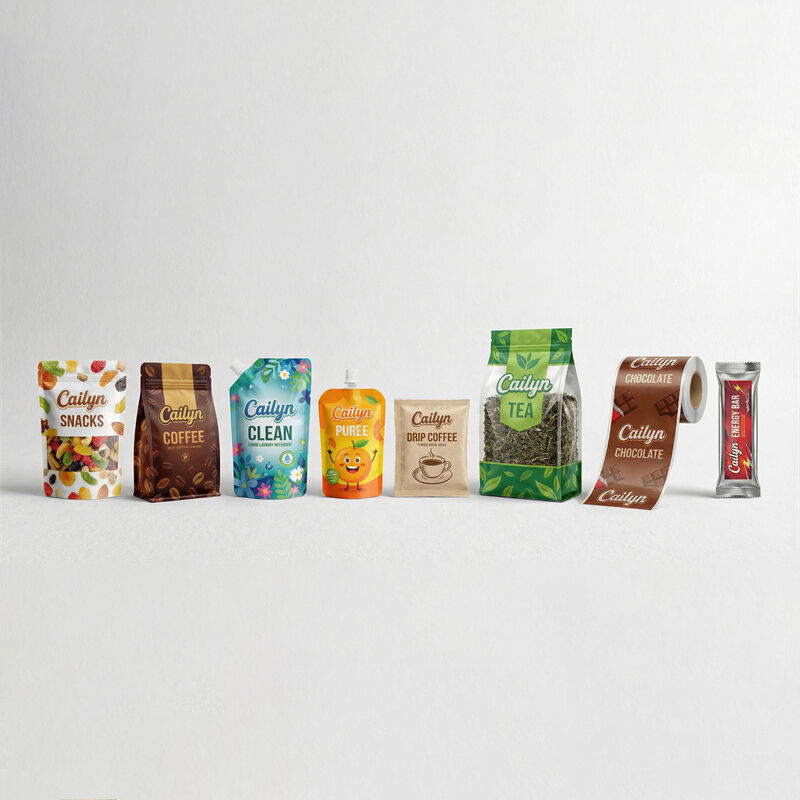
Due to the dynamic consumers demands, packaging is no longer a simple wrap around products rather, it is a powerful branding and marketing resource. Custom flexible packaging is currently gaining popularity in the majority of industries as it is highly versatile, cost efficient and appealing in shelf. To make the products more noticeable in the overcrowded retail world of the current day, one might consider partnering with a reliable flexible packaging producer and as a consequence, this would lead to the change of the appearance and functionality of a given product in a substantial way.
In order to help brands to choose the right solution, this guide presents the description of the most crucial types, materials and printing, and sustainability trends in flexible packaging.
What Is Custom Flexible Packaging
Custom flexible packaging is a type of packaging that is customized and is flexible to suit the specific needs of a brand and products, branding needs, and functional needs. Flexible packaging is made of malleable materials that can be compressed, folded, or bent, unlike rigid packaging (e.g. glass, metal, hard plastic) which is made of the same malleable material but offers strong protection to the contents. It can be tailor-made regarding size, shape, design, material, and additional functionality, including resealable zippers, degassing vents, or tear notches, which makes it fit a product perfectly and a brand exactly.
In its principles, custom flexible packaging is designed to offer a balance between performance and personalization: it keeps the products safe in their environment (moisture, oxygen, light, contamination), and it can also be used as a platform to tell a story about the brand with high-quality printing and distinctive structure design. It can flex to various forms of products and industry requirements, so its use by the current brands can be customized to stand-up pouches of coffee or small sachets of supplements, among others.
Benefits of Flexible Packaging
1. Superior Product Protection
Oxygen, moisture, UV light, and bacteria-resistant high-barrier flexible can protect products, and thus increase shelf life and retain freshness, flavor and quality, which is essential to food, beverages and perishable products. Custom barrier layers may be adapted to meet product specifications, e.g. moisture resistance in snacks or oxygen in coffee.
2. Cost Efficiency
Flexible packaging consumes less raw material compared to the rigid counterparts hence lowering the cost of production. Its miniature and light-weight make also reduce shipping and storage costs: empty flexible pouches consume a significantly smaller amount of space compared to rigid containers, reducing the transportation carbon footprints and logistics costs of brands.
3. Consumer Convenience
Flexible packaging is easy to use with features such as resealable zipper, easy-tear notches, spouts, and portable sizes and complies with the need of modern consumers to have on-the-go products with no hassle. Customer satisfaction and repeat purchases are directly increased because of convenience.
4. Enhanced Shelf Presence
Structural designs such as stand-up pouches (doypacks) stand upright on shelves and get maximum exposure, and big printable surfaces can be boldly and eye-catchingly branded and contain product details, which will turn packaging into a silent salesperson.
Types of Flexible Pouch Packaging Pouches
The flexible packaging comes in different pouch designs to accommodate different product packages in addition to shelf display.
1. Stand Up Pouch Packaging
Stand up pouch packaging is one of the most popular packaging. The pouch will be erect on the shelves in the stores due to its bottom gusset that increases visibility of the product and merchandising. Some of the most popular foodstuffs and products packed into these pouches include the snacks, coffee, pet food, protein powders and dried foods.
2. Flat Bottom Bags
Bags with a flat bottom are of high stability and structure which is that of high quality boxes. They have larger branding boards and are used largely on coffee, tea and high quality foodstuffs.
3. Flat Pouches (3-Side Seal)
Three-side seal pouches are simple, economical and efficient when using only single portion or small quantities of products. They are normally used on sauces, powder, supplements and on sample packages.
4. Rollstock Film
Rollstock film is designed to fit fast-moving automatic packaging equipment. It is a common format in large scale manufacturing plants in snacks, frozen foods and dairy product.
5. Spout Pouches
Spout pouches are resealable in closure and are meant to contain either liquid or semi-liquid contents such as baby food, beverages, detergents and sauces.
Professional flexible packaging company will be in a position to help the brands to choose the pouch structure that may be fitting to their product and distribution model.
Common Flexible Packaging Materials
Material selection that is required to maintain product longevity includes product freshness, shelf life and product safety. The below simplified comparison is given between material structures, which are most used.
The typical structures of flexible packaging materials are:
| Material Structure | Barrier Performance | Typical Applications |
| PET / PE | Moderate barrier | Snacks, dry foods |
| PET / VMPET / PE | High moisture & oxygen barrier | Coffee, nuts, pet food |
| BOPP / CPP | Good clarity & moisture barrier | Confectionery, baked goods |
| Kraft Paper / PLA | Eco-friendly moderate barrier | Organic food, natural products |
| PET / AL / PE | Excellent barrier protection | Coffee, pharmaceuticals |
The choice of the laminate structure is another important step of the design of the custom flexible packaging and the practiced custom pouch manufacturers are most of the times capable of assisting in the process of optimizing the materials in regards to their performance and cost efficiency.
Custom Printing & Finishing Options
The current versatile packaging is very advanced in terms of printing and finishing techniques that can enable the brands to produce a huge visual impression.
These popular printing finishes are:
Matte finish
Glossy finish
Foil stamping
Soft-touch coating
Holographic effects
Spot glossy( UV)
Functional add-on features are:
Zippers for resealability
Degassing valves (perfect in coffee)
Spouts for liquid products
Laser marking to effortlessly open tear seals.
The customization options enable the brands to come up with customized packaging designs that reflects quality of goods and brand name.
Flexible Packaging for Different Industries
The packaging can be used in virtually any industry due to its flexibility and the designs are tailor made to meet a specific need of a particular industry. In food and beverage to cosmetics, it can be adjusted on the demands of the product like the need of barricade protection, compliance, and convenience of the consumer. The key applications of the industry include:
1. Food & Beverage
The biggest applicant of flexible packaging is food and beverage industry that is provided with a better protection of freshness and convenience. They include stand-up coffee/tea/snack/condiments/liquid pouches. The barrier coverings and materials applied are food grade and are in line with the international food safety ( FDA, LFGB ).
2. Supplements and Nutraceuticals.
Supply Supplements, including protein powder, stick packs, and small sachets are the most appropriate in single serves, as opposed to the most effective use of stand-up in dealing with bulk supplements- all with barrier layers to resist moisture and oxygen (vital to nutrient potency).
3. Cannabis
The cannabis packaging should be of inflexible compliance not only with the local laws (e.g., childproof, sign of tampering) but also with the product protection. Cannabis (dried flower, edibles, concentrates) custom flexible pouches include child-resistant zippers, odor block layers, and have a discrete appearance (and can be branded and have product information).
4. Household
Flexible packaging can be applicable when selling household goods (detergent, cleaning wipes) to guarantee the durability and chemical resistance of the package. To avoid leakage and contamination, sealed pouches and heavy plastic films are used, whereas the little structure is applied to reduce storage and shipping costs.
Sustainable Trends in Flexible Packaging
Sustainability is becoming an issue of concern to packaging industry. The design of eco-friendly personalized flexible pack is becoming popular among majority of the brands that are trying to mitigate the effects on the environment.
The most sustainable options are:
Recyclable mono-material buildings.
Biodegradable films
Eco-friendly wrapping paper.
Less plastic consumption by designing light products.
Working together with a new flexible packaging producer, brands will have the opportunity to create an ecologically friendly package that will be both functional, designed, and attractive.
How to Choose the Right Packaging
The choice about the optimal custom flexible packaging of your brand is a calculated step that would take into account the requirements of the product, the brand, the needs of the consumer, and viable limitations (e.g., budget, the volume of production). In the process of making an informed decision, use the following steps:
1. Learn Your Product and its Great Needs.
Start by defining the dire requirements of your product:
- Appearance solid, powder, liquid or gel? Liquids have to have tight seals (e.g. spouts) but powders have to have layers to keep the moisture out.
- Shelf Life: Does it require extended anti-oxygen/light protection (e.g. coffee, supplements)? High barrier materials like metalized films or nylon laminates should be used.
- Sensibility: Is it responsive to heat, cold or contamination? Use temperature resistant or food grade materials.
2. Align to Your Brand Personality and Your Retail Objectives.
Whatever you pack should capture the character of your brand (e.g. eco, high priced, minimal) and be visible in the retail shelf:
- Target Audience: The green conscious people will like the eco-friendly materials, and the luxury customers will like the upscale finishes (e.g. foil stamping, soft-touch laminate).
- Retail Channel: Will it be sold at the retail outlets (would need shelf life) or through the internet (would need ship-ability)?
3. International Consumer Convenience
Convenience results in customer loyalty: Add facilities to make your product convenient:
- Multifunction products (snacks, coffee, etc.) are resealed using zippers.
- Tear notches to facilitate opening (key in the on the go products).
- Portable size, travel or single-serve size.
4. Confirm Compliance/Certifications.
Ensure that your package is in accordance with the international industry and regional standards:
- FDA, LFGB certified edible products.
- EPR, FSC or recycling certificate of sustainable packaging.
- Special compliance (e.g., cannabis package being child resistant).
Conclusion + FQA
Custom flexible packaging possesses strong functional capability, branding opportunity besides maintaining capacity to brands. Either it can be stand up pouch packaging or rollstock films and spouted pouches; whichever packaging style is employed the packaging will to a great extent make the product more attractive and will perform better on the shelf.
A pouch opinion, which will be created through a partnership with an ancient manufacturer of custom pouches a brand will have a professional view of the appearance of the pouch, the type of goods that must be placed in the pouch and the printing technology that should be adopted to enable the product to be recognized in an ever-increasing competitive world.
How quickly can I get my packaging?
It depends on the product! For our off-the-shelf items, you can check the lead times on our website. We've got plenty of stock on hand to get them to you fast. For custom printing and packaging, lead times vary depending on the product and quantity.
How do I order free bag samples?
You can order free bag samples by contact us. We could provide the quality bag sample for free, but please kindly undertake the shipping cost.
If I'm ordering a bag, how do I know what size to order?
We base our measurements on coffee beans. If you need help reach out to us for advice or samples.
Table of Contents
- What Is Custom Flexible Packaging
- Benefits of Flexible Packaging
- Types of Flexible Pouch Packaging Pouches
- Common Flexible Packaging Materials
- Custom Printing & Finishing Options
- Flexible Packaging for Different Industries
- Sustainable Trends in Flexible Packaging
- How to Choose the Right Packaging
- Conclusion + FQA